How Much Should You Really Spend on Wedding Flowers?
Wedding flowers play a much bigger role than simply filling space, especially when planned as part of a full wedding floral design. They frame your ceremony, enhance your reception, and appear in nearly every important photograph. From the walk down the aisle to close-up shots of the bouquet, florals become part of the visual story you’ll look back on for years.
Beyond aesthetics, flowers carry emotional weight. Specific blooms, colors, and styles can reflect your personality, cultural traditions, or love story. Thoughtfully designed arrangements help set the mood romantic, modern, refined, or whimsical, making your wedding feel intentional and memorable.
Average Cost of Wedding Flowers in Irvine and Lake Forest
Couples often ask how much they should spend on wedding flowers. In Irvine and Lake Forest, floral budgets typically vary based on scale and design preferences, availability, and local OC flower delivery services. While prices can fluctuate, these averages provide a helpful starting point.
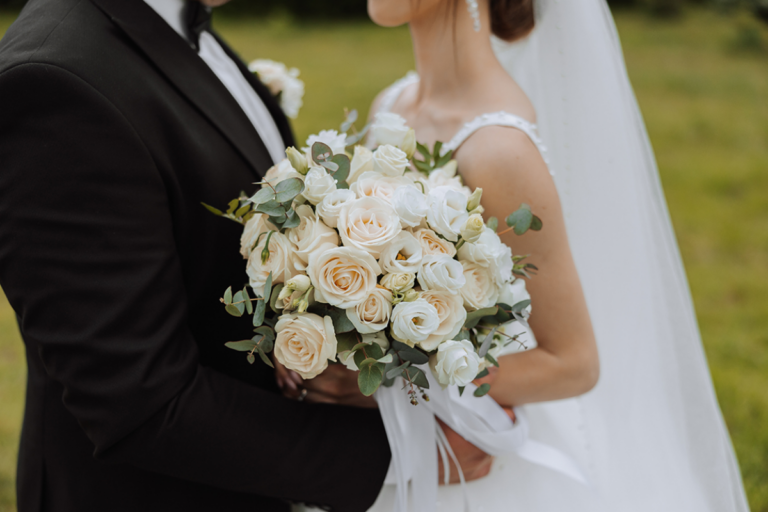
- Bridal bouquet: $200–$400
- Bridesmaids’ bouquets: $90–$150 each
- Boutonnieres & corsages: $20–$40 each
Ceremony flowers usually range from $500 to $2,000 or more, depending on whether you choose simple aisle arrangements or a full floral arch. Reception centerpieces generally fall between $120 and $300 each, while large installations such as hanging florals or statement backdrops often start at $1,000.
Factors That Affect Wedding Flower Costs
Several key factors influence how much you’ll ultimately spend on wedding flowers. One of the biggest is flower selection. Seasonal blooms are typically more affordable and fresher, while exotic or out-of-season flowers can significantly increase costs.
Design complexity also matters. Minimalist arrangements require fewer stems and less labor, whereas lush, layered designs and large-scale installations demand more time, materials, and expertise. Venue size, guest count, and layout further affect pricing, as larger spaces require more florals to feel cohesive. Finally, delivery, setup, breakdown, and labor are essential components that are often overlooked when budgeting.
Smart Ways to Stretch Your Wedding Flower Budget
If you’re working within a specific budget, strategic planning can make a big difference, especially for couples planning weddings alongside other corporate and private events. One effective approach is repurposing ceremony flowers for the reception. For example, altar arrangements can be moved to the sweetheart table or entryway.
Choosing seasonal flowers is another smart way to maximize value without sacrificing beauty. Seasonal blooms not only cost less but also look more natural and vibrant. Prioritizing key elements such as the bridal bouquet and ceremony focal points ensures your most photographed moments look stunning, even if you simplify elsewhere.
Seasonal Flower Guide for 2025 Weddings
Seasonality plays a major role in both pricing and availability. Spring weddings often feature peonies, tulips, and ranunculus, while summer celebrations lean toward roses, sunflowers, and lilies. Fall brings rich textures like dahlias and chrysanthemums, and winter weddings shine with amaryllis, anemones, and evergreen accents.
For 2025, trending wedding colors include soft neutrals, earthy tones, muted pastels, and subtle pops of terracotta and sage. Many couples are also choosing flowers based on symbolism, using blooms that represent love, growth, or new beginnings to add a personal touch.
Common Wedding Flower Budgeting Mistakes to Avoid
One of the most common mistakes couples make is forgetting to factor in delivery, setup, and strike fees. These services are essential and can significantly affect the final cost. Another issue is booking too late, which limits flower availability and design flexibility.
Underestimating labor for large installations can also cause budgets to spiral. Additionally, choosing out-of-season flowers without being open to alternatives often leads to unnecessary expenses.
DIY vs. Hiring a Professional Wedding Florist
DIY wedding flowers can work for smaller, more intimate weddings or for simple personal arrangements. However, many couples underestimate the time, stress, and logistics involved.
Hiring a professional florist ensures quality, consistency, and peace of mind, and many common questions are already answered in the frequently asked questions section. Local florists understand seasonal availability, venue requirements, and installation logistics, allowing you to focus on enjoying your day rather than managing details.
Tips for Planning Your Wedding Flower Budget
Start by creating a clear must-have versus nice-to-have list. This helps your florist understand where to focus your budget. Being transparent about your total floral budget also allows for creative solutions that align with your vision, including flexible options like ongoing flower subscriptions.
Allocating more funds to high-impact areas such as ceremony backdrops, the bridal bouquet, and reception statement pieces ensures your investment is noticeable and meaningful.
Real-Life Wedding Flower Budget Examples
An Irvine wedding with a smaller budget can still feel polished by focusing florals on the ceremony and bridal party, while keeping reception designs simple. In Lake Forest, medium-budget weddings often feature grand ceremony installations paired with elegant but streamlined centerpieces.
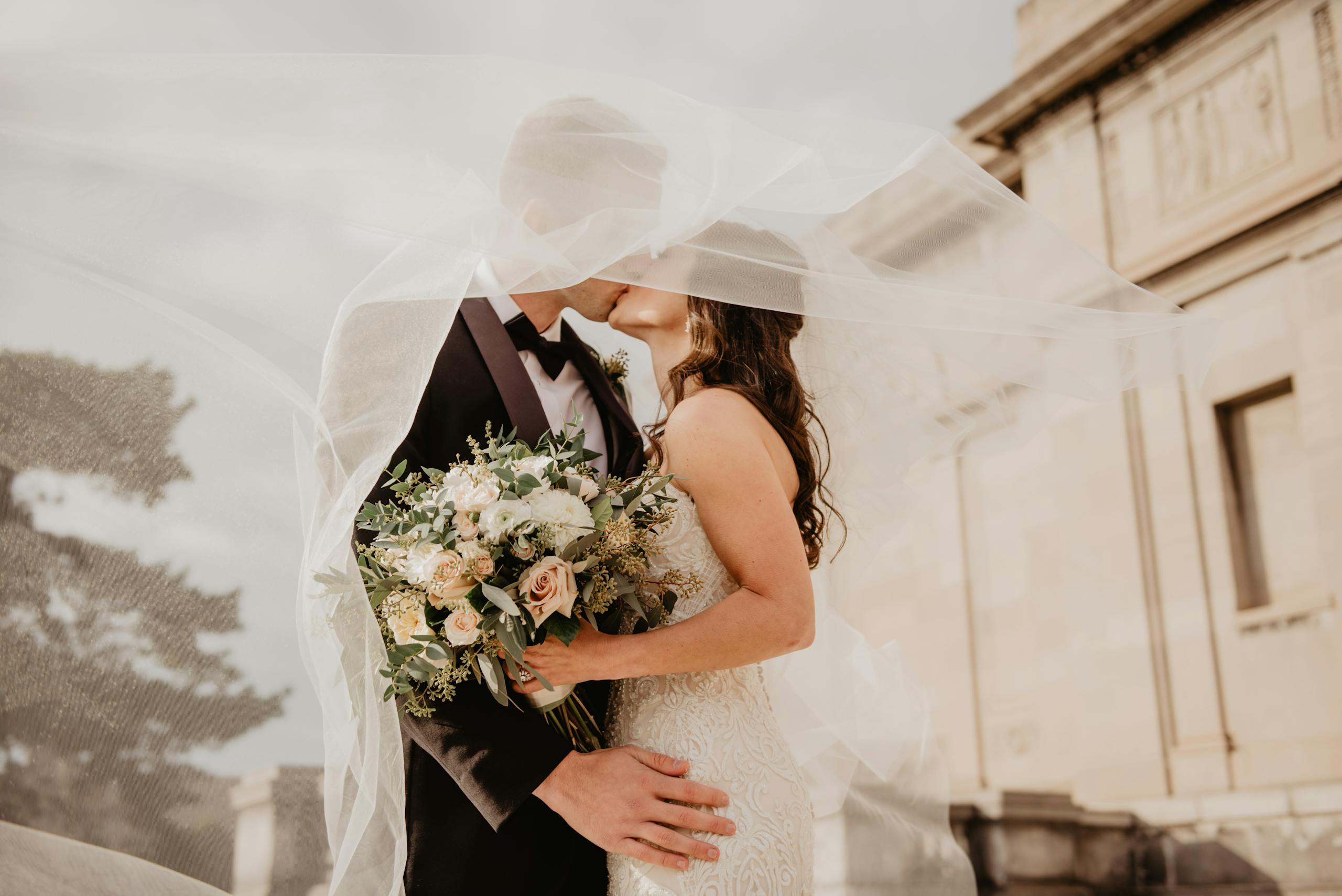
Including photos or linking to a gallery can help couples visualize how different budgets translate into real wedding designs.
Final Thoughts: Beauty Within Reach
Wedding flowers are more than an expense they’re an investment in the memories and atmosphere of your day. With flexibility, creativity, and thoughtful planning, beautiful florals are achievable at nearly any budget level.
Booking consultations early gives you more options and helps ensure your vision comes to life without unnecessary stress.